
Plant Selection
Drought-Tolerant Plants for Italian Gardens
A structured look at perennials, shrubs and ground covers that thrive with minimal irrigation across Tuscany, Lazio and Sicily.
Read articlePractical guidance on drought-tolerant plants, mulching layers, and drip irrigation layouts for gardens in central and southern Italy, where summer rainfall drops below 30 mm per month.
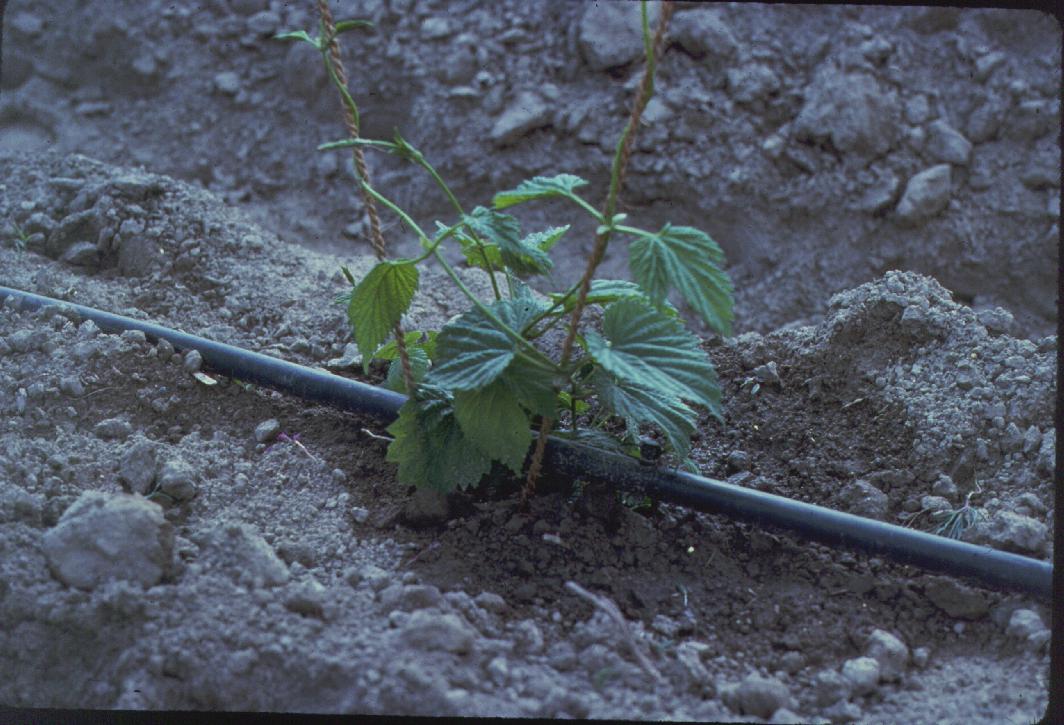
Three subject areas that address the main challenges of keeping Italian gardens healthy during prolonged dry periods.
Plant Selection
A structured look at perennials, shrubs and ground covers that thrive with minimal irrigation across Tuscany, Lazio and Sicily.
Read article
Soil Management
How organic and mineral mulch layers reduce surface evaporation, suppress weeds and moderate soil temperature in summer heat.
Read article
Irrigation
Component selection, pressure regulation, emitter spacing and scheduling for drip systems in Italian residential gardens.
Read articlePlants frequently found in xeriscape designs for Italian gardens, rated for low water demand once established.
English Lavender
Lavandula angustifolia
Tolerates thin, alkaline soils. Deep roots access subsoil moisture. Widely planted in Tuscany and Umbria for both function and fragrance.

Rosemary
Salvia rosmarinus
Native to Mediterranean coastal cliffs. Once established, survives on rainfall alone in most Italian regions. Works as both hedging and groundcover.

Olive Tree
Olea europaea
Iconic in Italian landscapes. Deeply rooted specimens require no supplemental irrigation after the first three years. Also provides canopy shade.

Century Plant
Agave americana
Stores water in thick leaves. Common in coastal Liguria and Sicily. Provides strong structural form in gravel gardens. Avoid areas with frost below −10 °C.

White-leaved Rockrose
Cistus albidus
Spontaneous on rocky hillsides of central and southern Italy. Fast-growing, fire-resistant. Flowers from April to June without any irrigation.

Common Sage
Salvia officinalis
Silver-grey foliage reflects heat and reduces transpiration. Pairs well with lavender and rosemary in dry-garden borders throughout Italy.
Xeriscaping is not about removing all plants. It is about matching plant selection and garden design to local rainfall patterns.
Amending dense clay soils with coarse grit improves drainage and prevents waterlogging after winter rains. Sandy soils benefit from organic matter that retains limited moisture during dry spells.
Grouping plants by water demand — a method called hydrozoning — lets you direct irrigation only where needed. High-demand vegetables can sit near a drip zone while drought-tolerant shrubs occupy dry borders.
A 5–8 cm layer of coarse mulch reduces surface evaporation by a measurable amount during summer, lowers soil temperature at root depth and slows weed germination between plant crowns.
In Italian summer conditions, early morning irrigation (before 08:00) reduces evaporative loss compared to midday watering. Drip systems can be timed on weekly soil-moisture checks rather than a fixed schedule.
Use this form to submit a question about xeriscaping or water management. Responses are not guaranteed on specific timelines.